22 May Artificial intelligence-enabled technology speeds up stroke care in Coastal communities
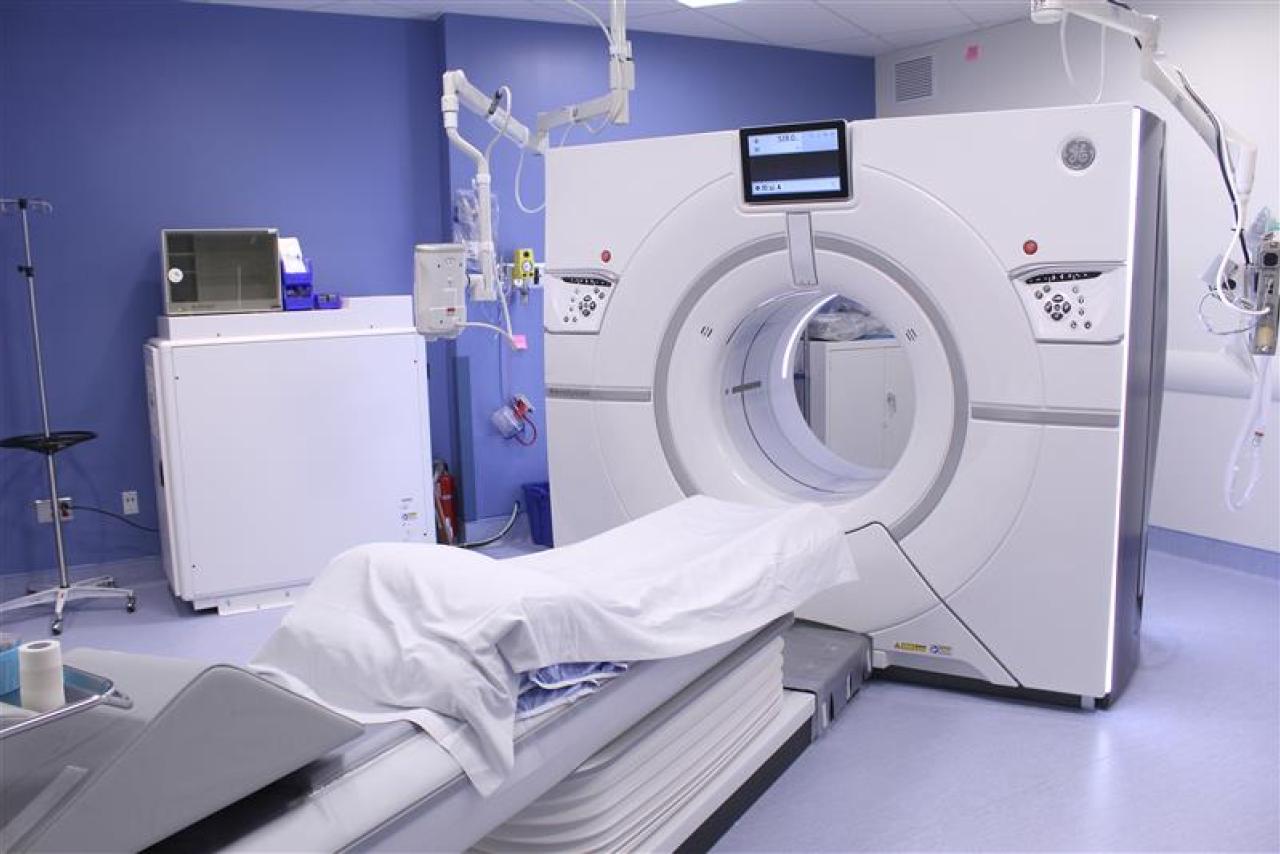
Vancouver Coastal Health (VCH) has implemented a powerful new tool at Lions Gate Hospital, Sechelt | shíshálh Hospital and qathet General Hospital to help physicians treat patients with stroke symptoms faster and more accurately. The technology uses artificial intelligence to analyze Computed Tomography (CT) scans, allowing health care teams to quickly identify and assess stroke severity.
A stroke happens when blood flow to the brain is blocked or reduced. It can cause serious brain damage or death. For stroke patients, timing is everything – for every minute delay in treatment, 1.9 million brain cells die.
Most strokes are ischemic, caused by a clot blocking blood flow in the brain. Two main treatments can help:
- Intravenous (IV) thrombolysis (using medicine to dissolve the clot)
- Mechanical Endovascular thrombectomy (EVT) (a minimally invasive medical procedure to remove the clot)
In the VCH region, EVT is only available at Vancouver General Hospital. Patients from Lions Gate Hospital, Sechelt | shíshálh Hospital, and qathet General Hospital must be transferred to Vancouver General Hospital by ground or air ambulance. Emergency Department physicians in these Coastal communities and the Vancouver General Hospital neurology team work in close collaboration to review CT scans, enabling a quicker decision for patients who would benefit from being transferred for EVT.
The new AI-enabled software processes CT scans in three to five minutes and identifies:
- The location of the clot;
- How much brain tissue is damaged; and
- Which areas of the brain can still be saved.
Studies show AI for stroke medical imaging can cut treatment times by up to 35 minutes—time that can make the difference between recovery and disability.